Wood Rot vs. Termite Damage: How to Tell the Difference
Rot or termites? Learn the visual and behavioral differences, moisture vs insect cause, and when to call a carpenter vs a pest specialist in CT.
Finding a soft spot on a door frame usually triggers the exact same moment of dread. You immediately start comparing wood rot vs termite damage in your head, wondering, is it rot or termites?
We understand why this specific issue causes so much anxiety for local homeowners. The National Pest Management Association notes that these pests cause about $5 billion in property damage across the US annually.
Let’s look at the data, what it actually tells us, and explore practical ways to identify and respond to the damage.
The visual and texture differences
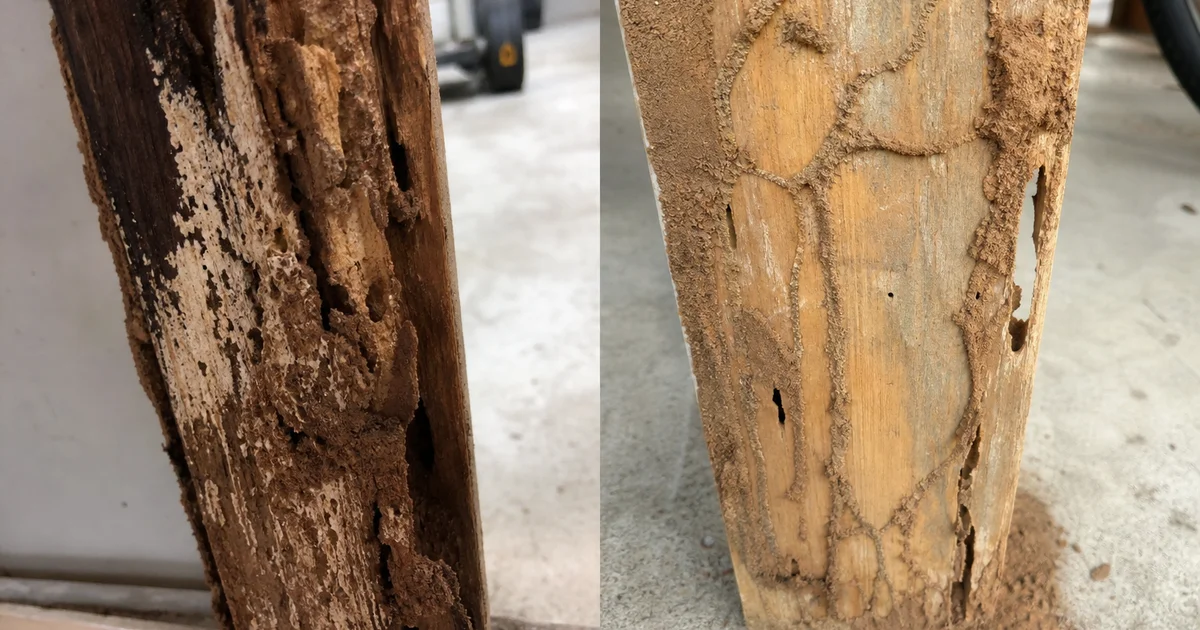
Wood rot creates soft, crumbly wood that breaks apart across the grain due to high moisture. Termite damage hollows out the wood from the inside while leaving the outer shell completely intact.
We see these two issues confused constantly in the field. Rot from fungal decay requires a wood moisture content of at least 20 percent to survive. The resulting damage leaves wood feeling spongy, sometimes damp, and often darker than the surrounding areas.
You will usually notice bubbling paint or slight swelling on the surface. Our team always checks the interior grain pattern to confirm the culprit when evaluating termite vs rot. Termites eat the soft spring wood but leave the harder grain lines alone.
| Feature | Wood Rot | Termite Damage |
|---|---|---|
| Texture | Soft, spongy, or crumbly | Dry, brittle, and papery |
| Wood Grain | Breaks across the fibers | Hollows out along the grain |
| Surface | Darkened, bubbling, or swollen | Often looks perfectly intact |
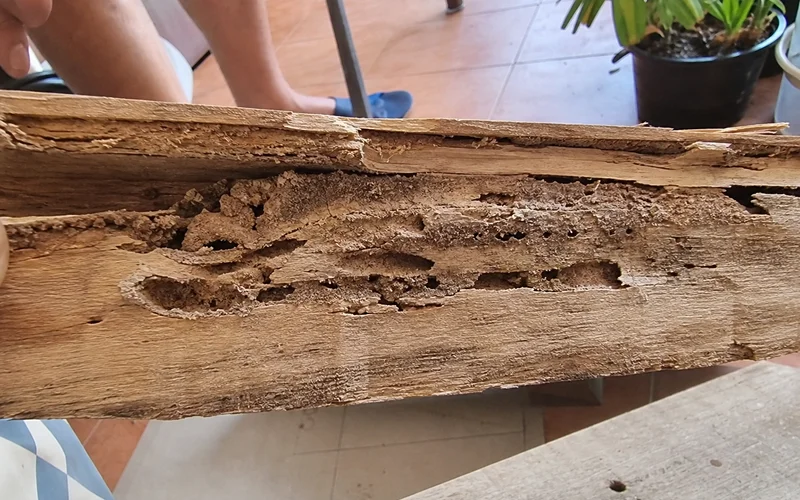
| Interior | Solid but decayed | Maze-like galleries packed with dirt |
This creates a distinct, hollowed-out pattern inside the board. Split open a damaged piece, and you will see smooth, curved galleries running parallel to the wood grain.
The behavioral clues termites leave
Termites leave physical evidence of their colonies, such as mud tubes, discarded wings, and visible droppings. Fungal decay simply leaves wet, deteriorating timber without any insect activity.
We always tell clients to look for these active signs of a local infestation. The Eastern subterranean termite is the most common and destructive species in Connecticut. They leave behind specific behavioral clues that rot never does.
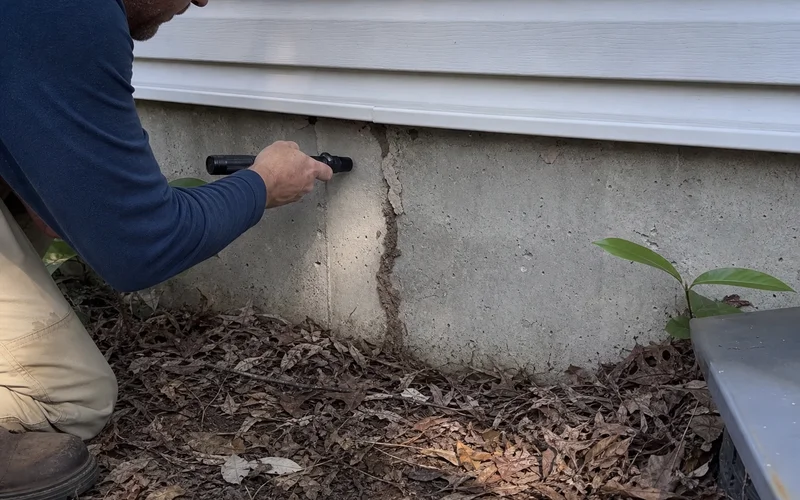
- Mud tubes: Subterranean termites build pencil-thick earthen tunnels up foundations or basement walls. They need these pathways to travel safely from the soil to your wood without exposure to dry air.
- Swarmer wings: You might find small piles of translucent, discarded wings near windows or interior corners. In Connecticut, swarming season peaks between March and May on warm days over 70 degrees following a spring rain.
- Frass deposits: Drywood termites leave fine, sawdust-like debris beneath damaged areas. Subterranean species prefer to pack this debris directly into their mud tubes.
- Hollow sounds: Tap suspicious trim with a screwdriver handle. A dull, hollow thud indicates the interior has likely been eaten away.
Fungal decay has none of these characteristics. It is strictly about excess moisture and softness, completely devoid of tunnels or active insects.
When to call whom
Call a carpenter immediately if you find wet, spongy decay caused by moisture. Contact a licensed pest control specialist first if you spot mud tubes, hollow wood, or other termite damage signs.
We recommend calling our carpentry team if the issue is strictly moisture-related. They will assess whether the damage is repairable with epoxy or requires replacement.
Finding and fixing the underlying moisture source is the most critical part of the repair process. Industry data shows that standard dry rot repairs average between $500 and $3,000 depending on severity.
A completely different approach is required if you suspect insects. You must call a licensed pest control specialist first to inspect the area, confirm the species, and treat active colonies. Termite structural repairs can quickly exceed $3,000, making early intervention vital.
Our local network includes several excellent West Hartford pest specialists. A quick referral from us can save you hours of researching providers on your own. Only after the active infestation is fully treated should carpentry replacement happen, ensuring you do not give the colony a brand new food source.
Which is more common in Connecticut?
Moisture-driven decay is roughly ten times more common than insect damage for exterior wood across West Hartford. The state sits in a moderate-to-heavy termite infestation probability zone, meaning insect threats are still very real.
Our daily service calls across West Hartford and the Farmington Valley show that water damage is the usual culprit. Eastern subterranean colonies are absolutely present in Connecticut and cause significant property damage every single year. They usually target sill plates and basement framing where untreated timber contacts soil moisture.
Any home with wood-soil contact is at elevated risk. Prime targets around your property include:
- Deck posts placed directly on grade
- Basement framing near a dirt floor
- Low-lying sills near overgrown landscaping
Termites are always worth ruling out even when simple decay seems like the obvious answer.
We suggest taking a proactive approach to your seasonal home maintenance. Keep your mulch levels well below your siding and ensure your gutters direct water far away from the foundation. If you spot anything suspicious during your next yard cleanup, give us a call to schedule a comprehensive property assessment.