What Causes Wood Rot in New England Homes?
Wood rot explained: how moisture and fungus, freeze-thaw cycles, and poor drainage break down the wood on Connecticut homes — and how to prevent it.
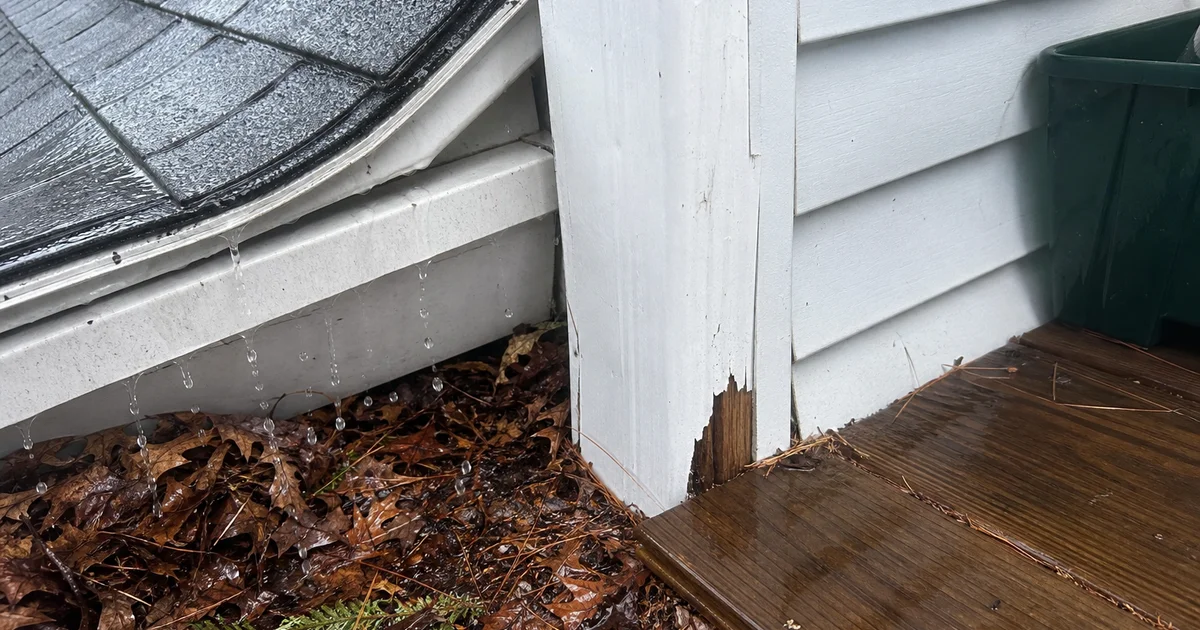
Connecticut homes often struggle with exterior decay long before the building materials should actually fail.
Spotting what causes wood rot early is the dividing line between a minor touch-up and a massive structural rebuild. Our team at Handy Man West Hartford has spent years repairing these exact structural issues across the region. The local climate creates a perfect storm for fungal growth.
Understanding the specific wood rot causes makes protecting your property much simpler. We invite you to look at the science behind this decay and explore practical ways to stop it.
The three ingredients rot needs
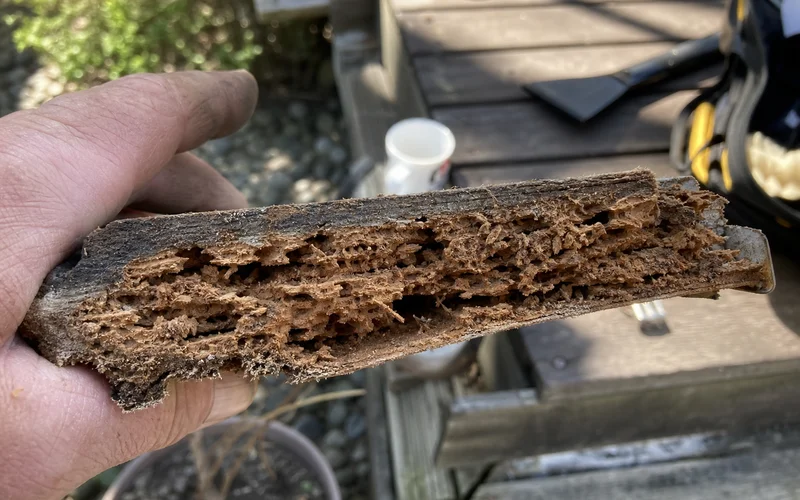
Wood-decay fungus is a living organism that needs specific conditions to survive. Moisture, oxygen, and a cellulose food supply are the three absolute requirements for this growth. We always tell homeowners that taking away just one of those elements stops the fungus dead in its tracks.
Paint and sealants work simply because they cut off moisture from the exterior environment. Kiln-dried lumber indoors stays intact because the moisture content remains too low for decay. We rely on pressure-treated wood because the chemical treatment poisons the fungus’s food supply and resists decay longer.
| Feature | Dry Rot (Serpula lacrymans) | Wet Rot (Coniophora puteana) |
|---|---|---|
| Minimum Moisture | 20% moisture required | 50% moisture required |
| Spread Risk | Aggressive, moves through masonry | Stays near the direct moisture source |
Homeowners should understand the science behind dry rot vs wet rot to catch problems early. If you see wood softness anywhere on your home, contact our carpentry team for a diagnosis. We recommend using a screwdriver to gently prod suspicious areas, as soft wood immediately indicates a problem.
The fix always involves removing whichever of those three ingredients is currently in oversupply. Early detection prevents the decay from spreading into structural framing. We prioritize finding the moisture source before replacing any damaged exterior boards.
Why Connecticut winters accelerate the process
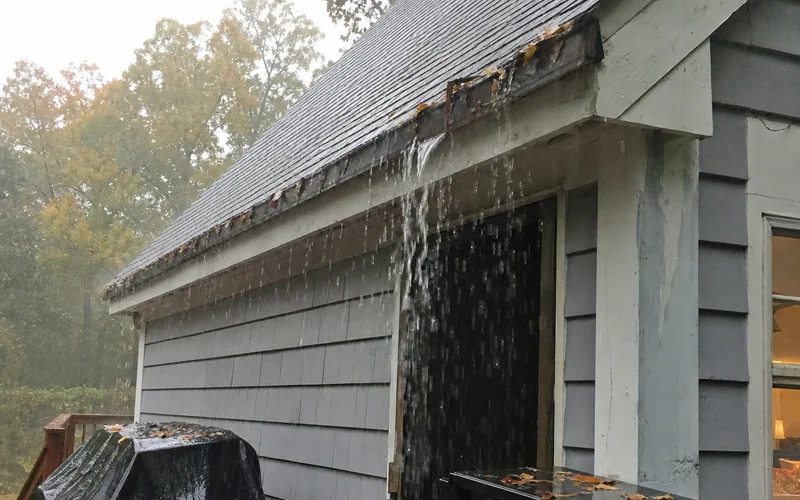
New England compounds the moisture problem in a way southern climates simply do not. Summer humidity keeps trim and wood surfaces slightly damp for months. We notice that fall brings falling leaves that clog gutters and send rain running directly down the siding.
Winter is when the real structural damage begins. Water expands by exactly 9% when it freezes into ice. Our local climate data shows the Hartford area averages over 100 frost days each year.
Every single freeze-thaw cycle wedges water molecules deeper into micro-cracks in the wood grain. The expansion process crushes the elastic macrocapillaries inside the wood structure. We see water penetrate much further into the substrate by spring than it ever would in a milder environment.
High-Risk Areas on Connecticut Exteriors
The same brand of exterior trim lasts significantly longer in Georgia than in Connecticut. Certain architectural details trap that expanding winter ice much faster than others. Our repair crews constantly replace materials in these three specific zones:
- Horizontal surfaces: Window sills, deck ledgers, and stair treads where water cannot easily drain.
- Miter joints: Any corner where two pieces of wood meet end-grain-to-face-grain.
- Failed seals: Spots where old caulk has separated from the siding.
Water pooling in these gaps creates the perfect environment to accelerate decay. Leaving these areas unsealed guarantees moisture will reach the structural framing. We always check these vulnerable intersections first during any exterior home inspection.
The moisture sources you can control
Most exterior rot on local homes traces back to a few preventable moisture sources. Homeowners can easily identify these hazards before they cause severe damage. We consistently find the following issues during our repair projects:
- Clogged gutters: Overflowing water runs directly onto fascia boards.
- Failed flashing: Missing metal strips at doors and windows let water behind the siding.
- Poor drainage: Downspouts dumping water at the foundation trap moisture.
Directing water at least five feet away from the base of the house makes a huge difference. Simple diverters or buried drain pipes solve the problem permanently. We urge homeowners to fix these basic drainage issues before investing in expensive carpentry work.
Choosing the Right Sealant for Repairs
Selecting the correct exterior caulk is vital to prevent wood rot from returning. According to a 2023 construction analysis, polyurethane sealants account for roughly 40% of commercial joint applications. We prefer polyurethane for exterior wood because it accommodates up to 35% movement as the boards expand and contract.
Silicone is waterproof, but it is extremely difficult to paint over. Polyurethane forms a durable bond that accepts exterior paint perfectly. Our installers also use foam backer rods in any gap wider than a quarter inch so the caulk does not crack within a single season.
Learn to catch problems early by checking the visible signs of wood rot on your home’s exterior. Small early repairs cost a fraction of what full soffit or structural sill work runs after another year of moisture damage. We are here to help you assess the damage and execute a permanent fix.
Conclusion
Protecting your home starts with recognizing what causes wood rot in the first place. Simple maintenance steps save you from massive renovation bills down the road. We know that staying ahead of the weather is the best defense your property has.
Do not wait for a soft window sill to become a sagging wall.
Take a walk around your property this weekend to check those high-risk areas. Address any failing caulk or clogged gutters before the next big freeze. We are ready to handle the heavy lifting if you uncover decay that needs professional attention.