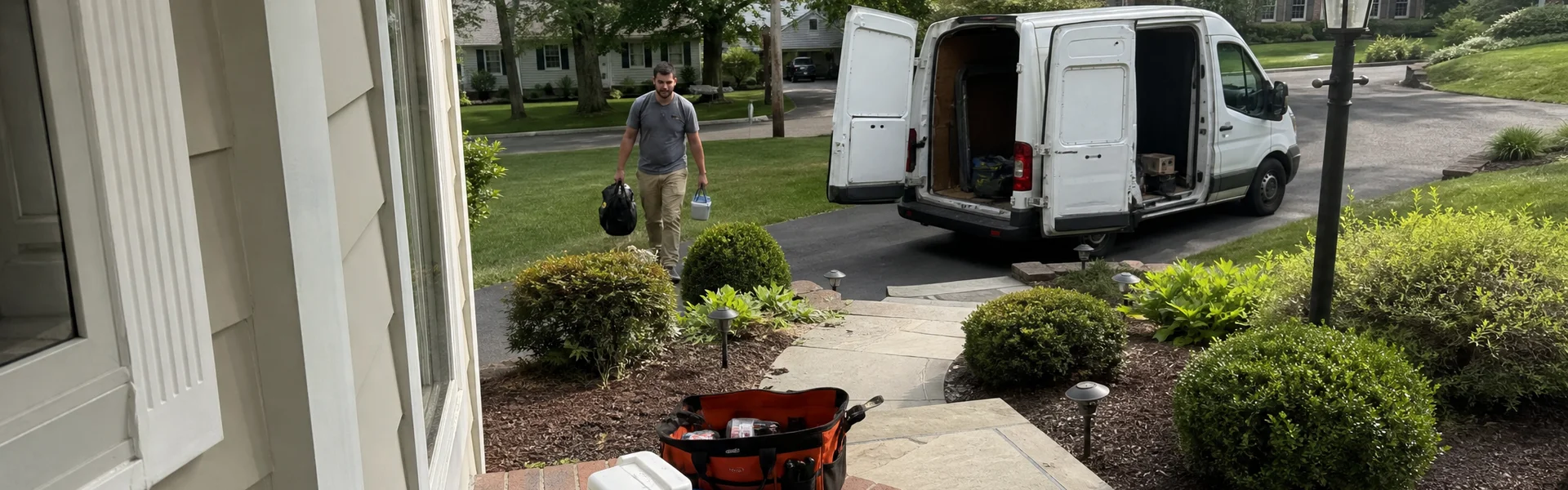
Why Won't My Door Close Properly? Common Causes
Door sticking or won't latch? Common causes — settling, hinge and strike issues, humidity swelling, and frame racking — and quick checks vs pro fixes.
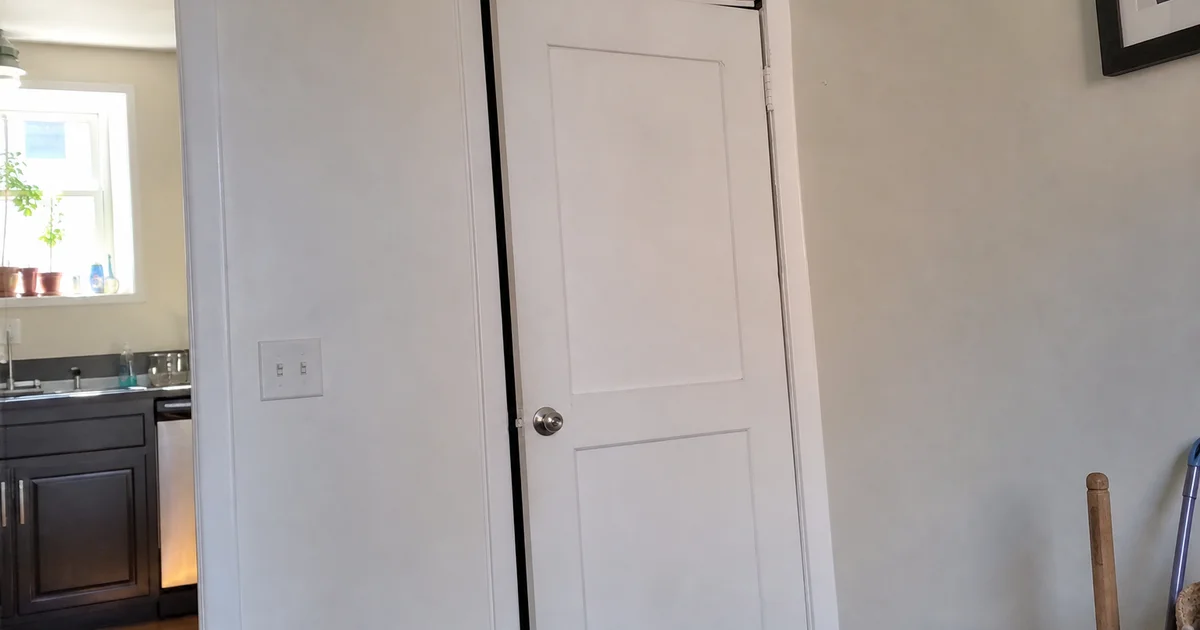
We see homeowners fighting with stubborn doors every single day.
From what I’ve noticed working in West Hartford, a door that refuses to close smoothly is one of the most common frustrations you can face. It is the exact reason our door repair service stays completely booked year-round.
Our team at Handy Man West Hartford handles these repairs constantly, so we know exactly what to look for. Let us walk through the main culprits behind your door sticking, along with the exact troubleshooting steps you can take today.
The most common causes of door sticking we see
A door that won’t close, sticks, or won’t latch is almost always tied to your home’s framing, hardware, or seasonal moisture. According to the American Society of Home Inspectors, roughly 25% of U.S. homes experience some form of structural settling over their lifetime.
We find that fixing a sagging door requires understanding exactly which of these elements is failing. This shift creates a ripple effect on your entryways.
Our technicians look for four distinct culprits during a typical inspection.
- House settling: Older West Hartford homes are especially prone to this issue. Over decades, the frame settles a fraction of an inch out of square, and the door edge no longer meets the strike plate cleanly.
- Loose hinge screws: Screws work loose over years of regular use. The door sags, the top corner drops, and it starts catching on the frame.
- Humidity swelling: Wood doors expand up to a quarter of an inch in high summer humidity, then contract in winter. A door that fits perfectly in December may stick stubbornly in July.
- Misaligned strike plate: Even when the door itself is fine, a strike plate that sits just a hair off means the latch never seats.
To help you visualize the impact of these issues, consider this breakdown of typical door clearances:
| Door Issue | Typical Symptom | Common Seasonality |
|---|---|---|
| House Settling | Uneven gaps at the top or bottom | Year-round |
| Loose Hinges | Top corner dragging on the floor or frame | Year-round |
| High Humidity | Tight gaps all around the wood door | Summer (or rainy season) |
We can diagnose these specific symptoms in a few minutes on-site and fix most of them in a single visit.
Quick homeowner checks
Before calling a professional, you can diagnose about 30 percent of door problems by testing the hinges, checking the gaps, and inspecting the latch. These simple tests will tell you exactly what is wrong.
We recommend performing these checks before taking anything apart.
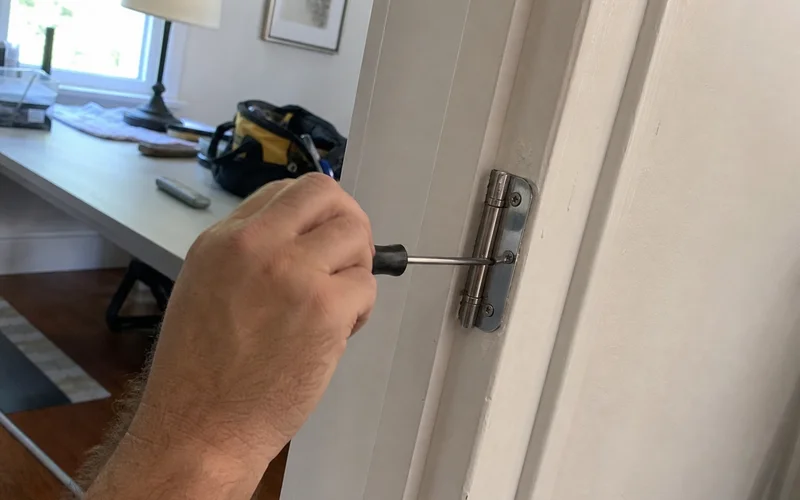
- Check hinge screws. Open the door fully and try to tighten each screw with a hand screwdriver. If any spin without gripping, the wood inside the frame has stripped. You will need longer hardware, specifically 3-inch #9 wood screws driven directly into the framing behind the jamb, to fix it permanently.
- Look at the gap. Close the door slowly and watch the reveal around the edges. The standard interior door gap is 1/8 of an inch, which is roughly the thickness of a U.S. nickel. If a nickel cannot slide through the top or sides, humidity has likely caused the wood to swell. A top corner rubbing means sagging hinges. Latch side rubbing indicates frame settling or swelling. Bottom rubbing points to a warped threshold.
- Try the latch by hand. Push the latch in with a finger while the door is closed. If it retracts freely, the door and latch are perfectly fine, meaning your door wont latch simply because of strike plate alignment.
To pinpoint exactly where the latch is hitting the plate, try the popular lipstick trick. Apply a small dab of bright lipstick directly to the end of the latch bolt.
We love this method because closing the door will leave a clear mark on the strike plate, showing you exactly where you need to file or drill. This simple step eliminates the guesswork from your repairs.
When to call a pro
Some door problems require professional equipment and experience, making them worth a call rather than a weekend project. Knowing when to step back can save you from ruining an expensive entryway.
We step in when issues involve structural warping, out-of-square frames, or complex exterior sealing.
Here are the signs that a professional touch is necessary:
- The door itself is warped. A straight edge held against the door face will show daylight underneath.
- The frame is visibly out of square. You will see an uneven gap all the way around the door, not just at one corner.
- The issue affects an exterior door. Any fix that involves removing weatherstripping or flashing requires perfect resealing to prevent water damage.
- The door has been repaired repeatedly and the problem keeps returning.
For anything on that list, a proper sagging door fix using professional equipment is the right call. Professional carpenters use electric hand planers to shave exactly 1/16 of an inch off a door edge, preventing the wood from splintering.
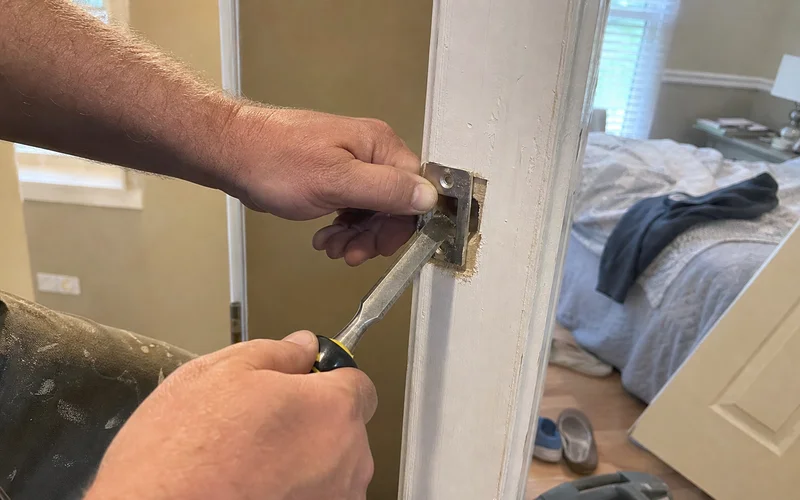
We use precision tools to shim the hinges into solid material or carefully reposition the strike plate. In rare cases, you might need a whole new prehung unit installed.
Based on 2026 data, the average cost to replace an interior prehung door ranges from $362 to $1,236, depending on the material and labor involved. Weighing whether the door is even worth repairing at this point is an important step.
Our experts can help you decide, and you can see our repair vs. replace door guide for more details.
Getting Your Doors Back on Track
Dealing with a stubborn door can be a daily annoyance, but it is rarely an unfixable disaster. By testing your hinges and checking your gaps, you can identify the exact cause of your door sticking.
We are always ready to handle the heavy lifting if the repair requires specialized tools or a complete replacement. Reach out to our team today to schedule an inspection and get your home functioning perfectly again.