How Often Should You Clean Gutters in New England?
A twice-yearly baseline plus tree-cover adjustments, ice-dam prevention, and the signs of clogged gutters for Connecticut homeowners.
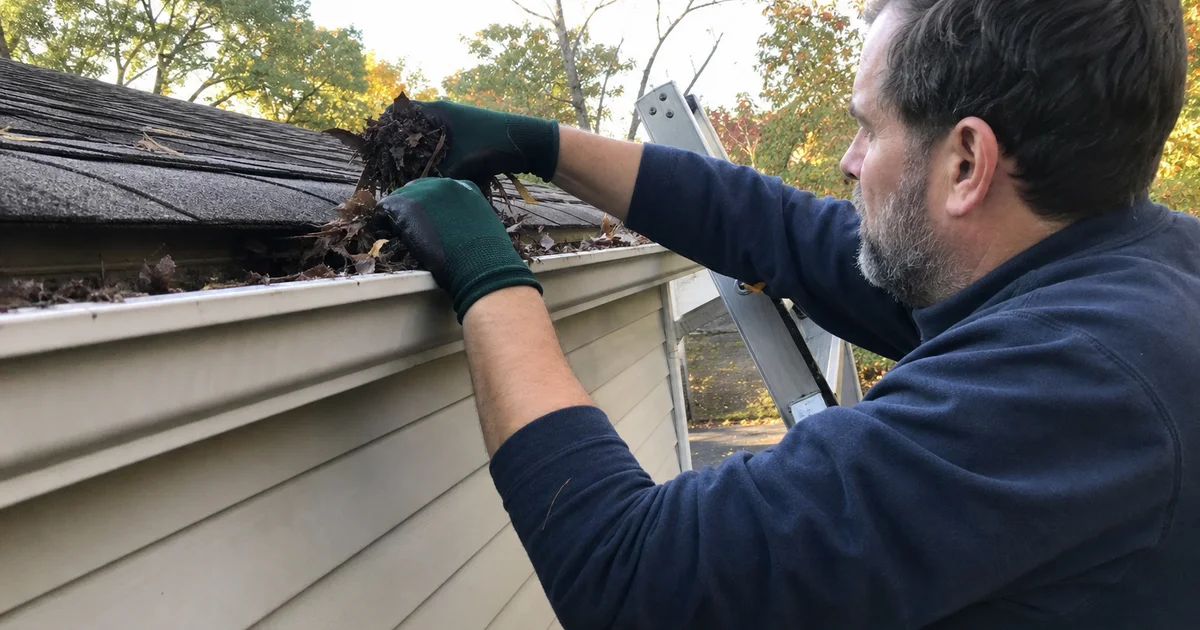
Ask any busy homeowner about exterior maintenance, and gutter cleaning is usually the chore that gets pushed back.
Delaying this basic task often transforms a minor weekend chore into a massive winter headache.
We see the fallout from neglected maintenance every year at Handy Man West Hartford.
The question of how often clean gutters really comes down to the specific trees in your yard and the changing seasons here.
Let’s look at the data behind the ideal gutter cleaning frequency schedule and exactly what happens if you skip it.
The twice-yearly baseline
For most Connecticut homes, the standard answer is two gutter cleanings per year. You need to clear the system once in late fall and again in the late spring to prevent blockages.
Our crews typically find that peak leaf drop in Hartford County happens around late October. Sugar Maples drop their leaves earlier, while Red Oaks stubbornly hold onto theirs well into November. When preparing to clean gutters New England property owners must watch these local tree cycles closely.
Here is the baseline schedule for a standard yard:
- Late fall (October to early November): wait until after the peak leaf drop but before the first hard freeze hits.
- Spring (April to May): schedule this after the oak tassels, maple seed pods, and winter debris have finished falling.
Skipping the fall visit is the single most common maintenance mistake we see in West Hartford homes. The consequences usually show up just a few months later during the first freeze. A quick visit from our gutter cleaning service prioritizes the fall window because that is where the real winter damage begins.
When more than twice-yearly makes sense
Some properties require a third or even fourth cleaning per year to keep water flowing properly. Homes surrounded by heavy woods or fast-shedding evergreens cannot survive on a standard schedule.
Eastern White Pines, a very common tree in New England, drop their needles year-round and create dense mats that easily clog downspouts. We frequently pull these stubborn needle clumps out of elbows and joints during mid-summer visits.
Consider stepping up your schedule if you face these conditions:
- Heavy tree cover directly overhead: especially maples, oaks, and birch trees. A mid-fall cleaning before the last leaves drop keeps the system functional through the heavy November rains.
- Pine needles nearby: evergreens drop constantly rather than just in the fall. Homes near pines often require cleaning three or four times per year.
- Nearby construction: new landscaping, roofing projects, or a home addition often puts extra sawdust and dirt in gutters temporarily.
- After major storms: severe local nor’easters or summer thunderstorms can dump a season’s worth of branches in a single afternoon.
Property owners with treeless lots might get away with a single fall visit. Two visits remains the much safer default to protect your home’s foundation. Adding a simple table helps visualize when these extra cleanings should happen.
| Property Type | Recommended Cleanings | Best Timing |
|---|---|---|
| Low Tree Cover | 1 to 2 times | Late Fall, optional Spring |
| Heavy Deciduous Trees (Oaks, Maples) | 2 to 3 times | Mid-Fall, Late Fall, Spring |
| Pine Trees Nearby | 3 to 4 times | Spring, Summer, Mid-Fall, Late Fall |
Why ice dams are the real risk
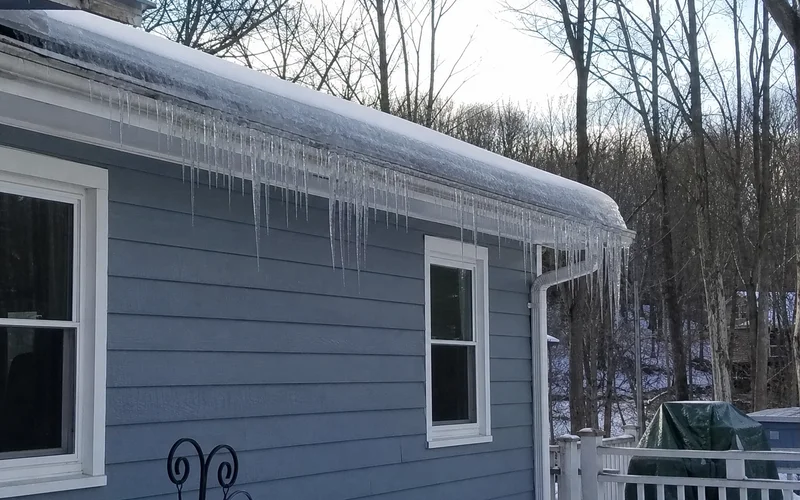
The primary reason to push fall gutter cleaning so hard is the severe threat of ice dams. Clogged channels trap standing water that quickly turns to solid ice during the first December freeze.
Home insurance companies frequently deny water damage claims if they determine the cause was neglected maintenance under standard HO-3 policies. We deal with frustrated homeowners every winter who discover their policy will not cover the interior water damage.
Here is the exact mechanism of how this expensive failure happens:
- Leaves clog the channel completely in October or November.
- First rain fills the system with water above the rotting debris.
- First overnight freeze turns that trapped water into a solid ice block.
- First snowstorm covers the roof, the sun warms the shingles, and the snow starts melting.
- Meltwater runs down to the eave, hits the ice plug, and backs up.
- Backed-up water finds any tiny imperfection in the shingle seal and gets under the roofing.
- The water easily enters the roof deck, soffit, fascia, and often ruins the wall cavity insulation.
The structural damage from a serious ice dam event routinely runs $2,000 to $10,000 or more. Replacing rotted fascia boards alone averages $15 to $30 per linear foot in today’s market. The preventative visit that stops this disaster usually runs just $150 to $300. Simple math is why we insist on prioritizing the fall visit.
Signs your gutters need cleaning right now
If you notice water spilling over the edges or sagging sections, you need to clear the system immediately. These visible clogged gutter signs mean your system is actively failing and putting your foundation at risk.
Wet leaves and dirt are incredibly heavy, often adding up to 370 pounds of dead weight across a standard 100-foot roofline. We see aluminum channels warp and completely pull away from the fascia board under that kind of stress.
Do not wait for the scheduled season if you spot any of these warning flags:
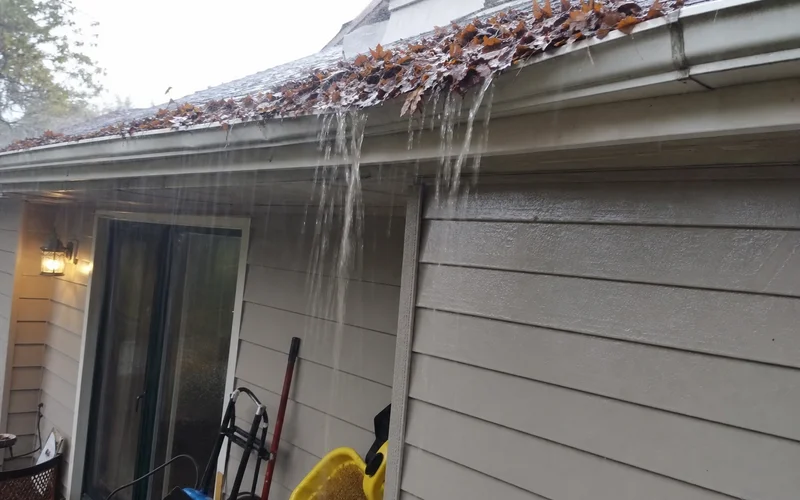
- Water aggressively overflowing the edge during a rainstorm.
- Plants growing out of the debris, which means seeds have germinated in two inches of muck.
- Sagging sections pulling away from the fascia boards.
- Dark water streaks, tiger striping, or green algae staining on the siding below.
- Downspouts that produce little or no water flow, indicating a blockage in the elbow joint.
Homeowners looking to stay ahead of these issues can review our comprehensive fall home maintenance checklist for Connecticut. Checking the system regularly ensures your home stays dry through the harshest New England winters.
Figuring out how often clean gutters on your property comes down to simple observation.
Watch how the trees in your yard shed throughout the seasons.
Our team is always ready to handle the heavy lifting if climbing ladders is not on your weekend agenda.
Reach out to schedule a seasonal inspection today to protect your roof before the freezing weather arrives.