Drywall Repair vs. Full Replacement
Patch or replace? Damage-extent thresholds, water and mold considerations, and cost comparison for deciding on drywall repair vs replacement.
We regularly evaluate damaged walls across local homes as the team at Handy Man West Hartford.
A six-inch hole often serves as the dividing line between a quick cosmetic fix and a major structural project. Deciding on drywall repair vs replacement entirely dictates your budget.
Our team plans to walk you through the exact assessment process, including the specific materials that make a difference. Let’s look at the data and explore a few practical ways to proceed.
The threshold between patch and replace
The structural integrity of the surrounding wallboard dictates the required scope of work. We rely on a specific percentage rule to determine the right approach. The drywall repair side of our work covers both approaches perfectly.
Specific rules of thumb help clarify the decision process. Our technicians use these rough guidelines during every property walkthrough. The following benchmarks clarify when to replace drywall completely:
- Under 30% of a sheet damaged requires a simple patch, as standard 1/2-inch wall board handles minor impact damage exceptionally well.
- We treat 30-50% of a sheet damaged as a judgment call, since a fresh board sometimes offers a cleaner finish.
- Over 50% of a sheet damaged requires replacing the entire sheet. Extensive taping demands so much labor that hanging a new panel becomes the smarter choice.
- Our rule for multiple sheets damaged is to replace all affected panels and check adjacent studs for stability.
Using the right joint compound changes the final result significantly. This product choice dictates the sanding time and finish quality.
We often prefer USG Plus 3 lightweight mud because it weighs 25% less than standard mixes and reduces shrinking. This specific mixture requires one less coat over fasteners. Every damaged area gets marked for either preservation or demolition.
Our crews highlight exactly what stays and what comes out. Clear communication prevents unexpected surprises during demolition day.
Water damage: special rules apply
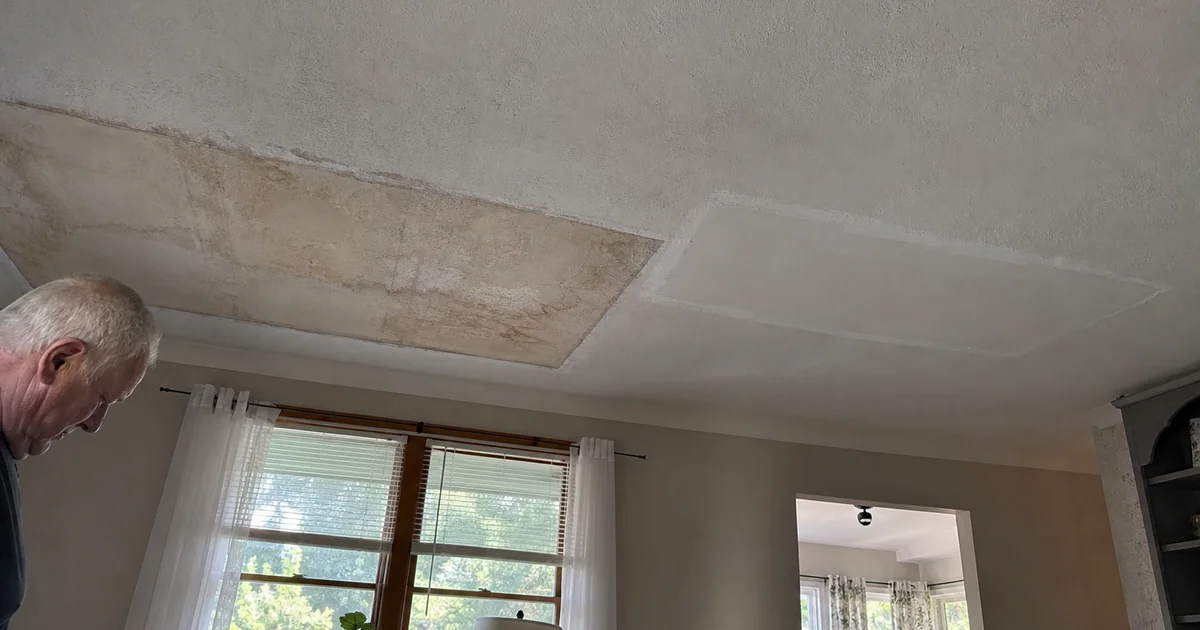
Moisture fundamentally changes the structural integrity of a gypsum board. We treat water damaged drywall with extreme caution. According to 2026 Environmental Protection Agency guidelines, mold colonization begins within 24 to 48 hours on wet, porous materials. The material will simply not hold up long-term.
Our crews know that even a dry panel might hide a weakened paper facing. A persistent musty odor often serves as the most reliable indicator of hidden mold. Proper assessment requires examining the insulation behind the surface.
Recognizing the Red Flags of Moisture
We follow strict safety protocols when moisture is involved. These rules for compromised wallboard apply to any residential leak:
- Sagging or bulging always requires replacing the board without question.
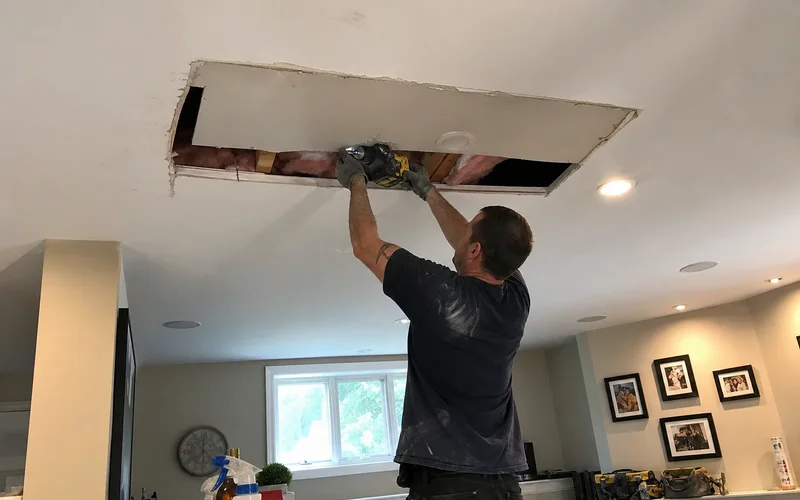
- We remove visible mold spots by cutting out the affected area plus a full foot of surrounding, sound drywall.
- Assess water stained but firm surfaces for hidden growth. A stain-blocking primer might seal the area safely if it remains structurally sound.
- Our protocol for wet insulation behind the wall mandates removing all soggy fiberglass regardless of the surface condition.
The active moisture source has to be fixed first. Otherwise, the fresh installation will simply fail during the next heavy storm.
We strongly advise that anything exceeding 10 square feet of mold requires professional handling based on standard EPA remediation protocols.
Cost comparison
Material expenses and skilled labor rates directly impact the final invoice. Regional pricing fluctuates based on supply chain availability. We compiled these 2026 average cost estimates specifically for Connecticut homeowners.
| Scope | Cost range |
|---|---|
| Single small patch | $150-$350 |
| Multiple patches in one visit | $300-$700 |
| Full sheet replacement (one) | $400-$800 |
| Ceiling section replacement (water damaged) | $500-$1,200 |
| Whole room re-drywall | $2,000-$5,000 |
A single trip charge covers the setup and cleanup time. Full-sheet replacement makes financial sense once a project demands extensive taping and mudding anyway.
Our estimators find that patching several small holes in a single visit always provides the most cost-effective solution. Sometimes buying a $15 panel of 1/2-inch board saves three hours of sanding. This comparison highlights the tipping point for larger renovation budgets. We base this recommendation on the actual labor hours required for skim coating versus hanging fresh board.
When patching is the right call
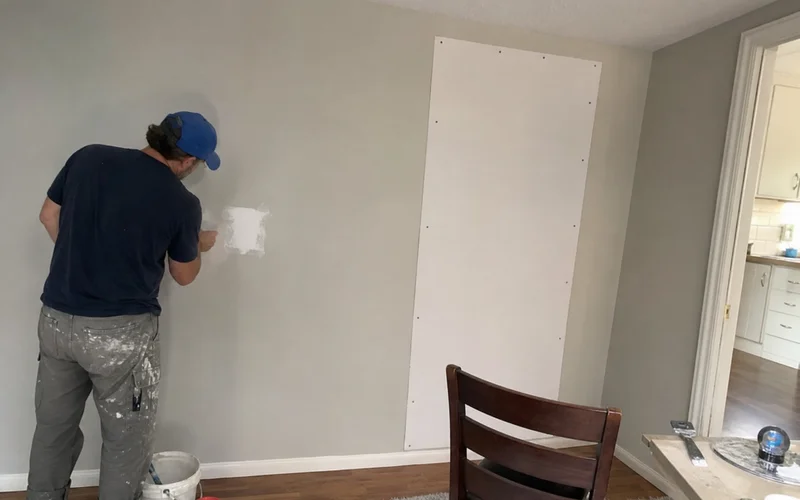
Patching wins easily when the surrounding wallboard remains structurally sound. This focused approach is cheaper, faster, and far less disruptive to your daily routine. We recommend a localized fix for isolated doorknob dents and minor accidents.
For specific details on what a professional fix actually involves, check out the patching a hole in drywall guide. Comparing replace drywall vs patch options guarantees a smarter investment. Our preferred method uses fast-setting compounds, allowing for multiple coats in a single afternoon.
Taking action now prevents minor damage from spreading into a larger structural headache. Simply Request a call back, and a specialist will walk your damage within the week. We stand ready to help you complete this project efficiently.