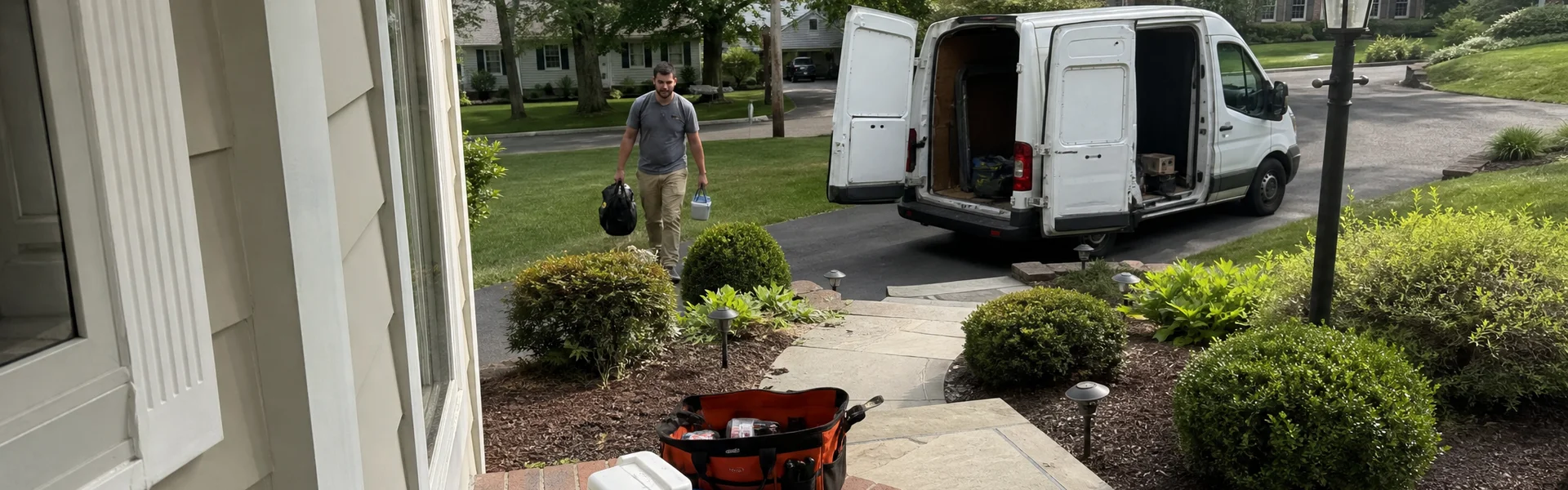
DIY vs. Hiring a Handyman: When to Call a Pro
Which home repairs are safe to DIY and which need a pro? Risk, permits, and CT code considerations to help you decide when to hire a handyman.
We see this exact scenario play out every spring across Connecticut. Homeowners stare down a massive multi-trade to-do list and wonder if they should tackle it themselves.
Our team knows that making the wrong call on a DIY vs hiring a handyman decision can turn a quick weekend update into a stressful month-long disaster.
Let’s look at the data to help you draw a clear line between weekend projects and professional jobs.
Jobs that are usually safe to DIY
Our general guideline is that if a task takes just an hour or two and requires only basic hand tools, it is perfectly safe to do yourself. Plenty of small maintenance tasks fall legitimately into this category.
We recommend tackling minor, reversible updates that do not require specialized safety gear. A 2026 National Home Improvement Council report reveals that 64% of DIY injuries actually happen because homeowners use the wrong tool for the job rather than lacking the right skills.
Our team suggests sticking to the following safe tasks if you are asking yourself, should I DIY home repair:
- Hardware adjustments: Tightening cabinet hinges and swapping door handles.
- Cosmetic fixes: Filling nail holes and touching up interior paint.
- Basic assembly: Putting together flat-pack furniture that isn’t oversized.
- Minor plumbing: Swapping a garbage disposal if you feel completely comfortable turning off the breaker.
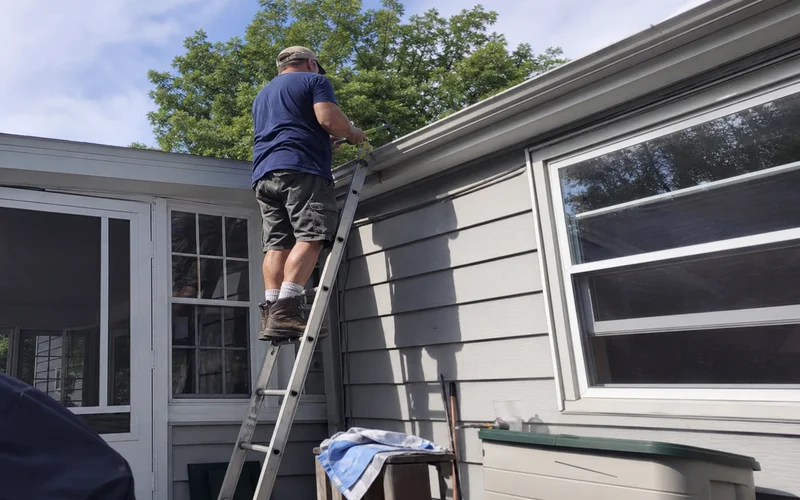
- Low-level exterior work: Cleaning first-story gutters, with the strict caveat that second-story ladders are a serious risk.
We always tell clients to follow a simple pattern for safe weekend projects. The task should involve no heights, no structural changes, no major water lines, no complex electrical adjacency, and no building code requirements.
Jobs that pay to hire a pro
Our stance changes immediately the moment a job crosses into structural, electrical, or moisture-related territory. The math shifts from saving a few dollars to protecting your largest financial asset.
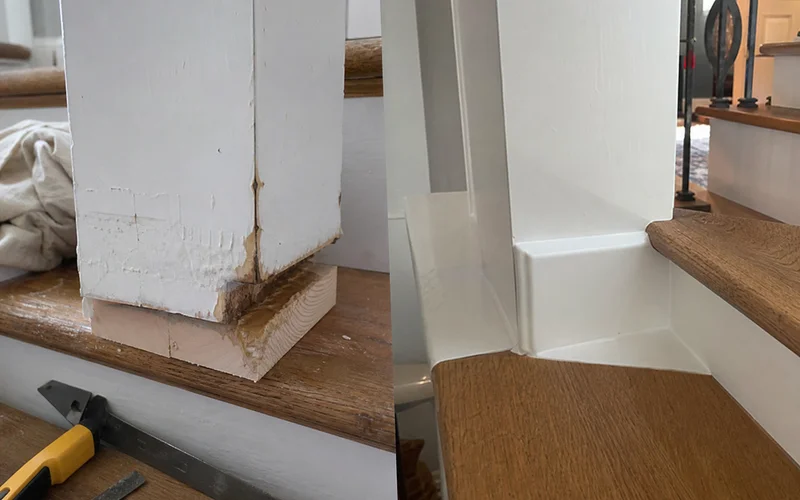
We often see homeowners attempt wood rot repair, assuming it is just a simple cosmetic patch job. The reality is that the underlying water source must be identified first, and the decay almost always spreads much further than the surface damage suggests.
Our technicians use specialized moisture meters to track these invisible leaks before cutting into any wood.
High-Risk Exterior and Interior Repairs
Deck repair looks straightforward until the ledger board and metal flashing come into play. According to a 2025 safety report from the North American Deck and Railing Association, an estimated 90 percent of deck collapses result from ledger board connection failures.
We strongly advise leaving these high-stakes structural connections to professionals who understand modern load requirements, which clarifies exactly when to hire a handyman. Drywall patching is another task that often looks terrible when attempted by a beginner.
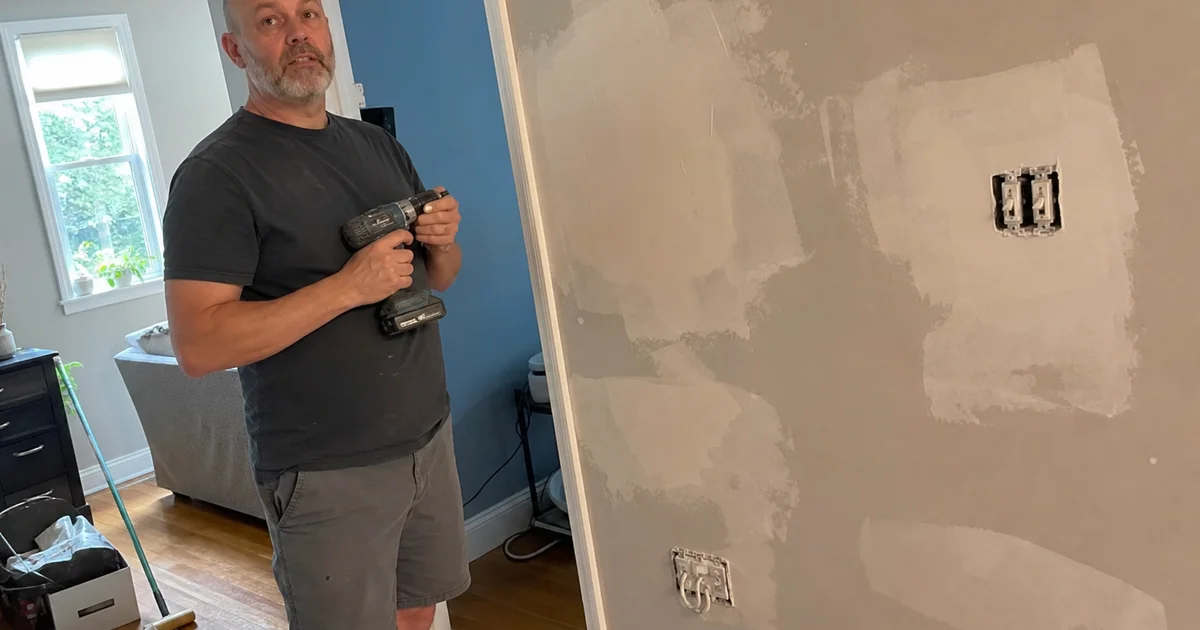
You usually need to feather the joint compound with a 10-inch knife multiple times to master the technique. Recent 2026 cost data shows that professional drywall patching typically runs between $120 and $350.
Our clients usually find that paying this fee is well worth avoiding a lumpy, highly visible wall patch. For pricing context on what those jobs typically cost, see our handyman cost guide for Connecticut.
Multi-trade jobs are the tipping point
Our experience shows that multi-trade coordination is the single biggest reason homeowners finally decide to hire out. A seemingly quick bathroom refresh might easily require drywall, tile, plumbing, and painting work.
Sourcing four different specialists for a one-week job means managing four bids, aligning four schedules, verifying four insurance certificates, and dealing with four different windows of disruption to your household. We provide a streamlined alternative by handling the bulk of these tasks under one roof.
One insured handyman crew can finish the drywall, hang the doors, and complete the general carpentry portions in a single visit. Our team then coordinates directly with a licensed plumber or electrician for the specialty pieces.
Comparing Time and Coordination Costs
Local service rates dictate our pricing model to ensure our clients get the best value. According to 2026 market data from ProTradeOps, an experienced Connecticut handyman averages $75 per hour, while specialized master tradesmen often charge double that rate.
Having a generalist handle the prep and finishing work keeps your total budget under control. This is the main financial advantage of choosing a handyman vs contractor for multi-stage renovations.
| Project Approach | Average Bids to Manage | Disruption Time | Cost Efficiency |
|---|---|---|---|
| Total DIY | 0 | 4-6 Weekends | High materials cost, massive time loss |
| Hiring Individual Specialists | 3-4 | 2-3 Weeks | Most expensive labor rates |
| Our One-Stop Handyman Crew | 1 | 2-4 Days | Optimized blended rate |
Our clients appreciate having a single point of contact for the entire punch list. You skip the headache of playing phone tag with multiple contractors who might not show up on time.
Connecticut code and permits
Our operations strictly follow state regulations to protect your property value and ensure total safety. For Connecticut homeowners specifically, cosmetic updates and minor repairs typically do not require permits.
You will need official approval for any structural work, most electrical changes, specific plumbing modifications, and exterior additions. We stay up to date on all local municipal guidelines because the rules dictate how every project must proceed.
The state currently operates under the 2022 Connecticut State Building Code, and a recent 2026 legislative update shifts the state to a six-year code adoption cycle. This new stability makes planning long-term renovations much easier for homeowners.
The Risks of Unpermitted Work
Our priority is making sure your home remains fully compliant and insured. Getting caught doing permit-required work without official approval can immediately void your homeowner’s insurance policy, and it creates massive legal roadblocks during any future home sale.
Unpermitted electrical or structural changes often force sellers to tear open walls for retroactive inspections. We highly recommend working with registered Home Improvement Contractors through the Department of Consumer Protection for any major task.
When in doubt, just ask us. Our staff will tell you exactly whether a permit is involved before you spend a single dime on materials.
Final Thoughts on Tackling Your To-Do List
The ultimate goal is to help you maintain a safe, beautiful home without losing your precious free time. Knowing exactly when to put down the hammer and confidently choose DIY vs hiring a handyman is the smartest home improvement skill you can develop.
Ready to hand off a job you do not want to tackle? Request a call back and we will ring within 15 minutes.